
How to Choose the Right Microphone for YouTube and Podcasts
Your microphone has a huge impact on how professional your content sounds. Learn which microphone type makes sense for your room, content, and budget.
For most creators, choosing a microphone starts with one question: where will you record? A quiet, treated studio gives you more microphone choices, while a bedroom, office, or noisy environment usually benefits from a microphone that rejects more background sound. USB microphones are a convenient starting point because they connect directly to a computer without requiring an audio interface. They are particularly useful for podcasts, voiceovers, streaming, and desk-based YouTube content.
The Shure MV7+ is an interesting option for creators who want a microphone they can continue using as their setup becomes more serious. It combines USB and XLR connectivity, so you can start with USB and later connect it to an audio interface. It is currently listed through Amazon.in in our product search.

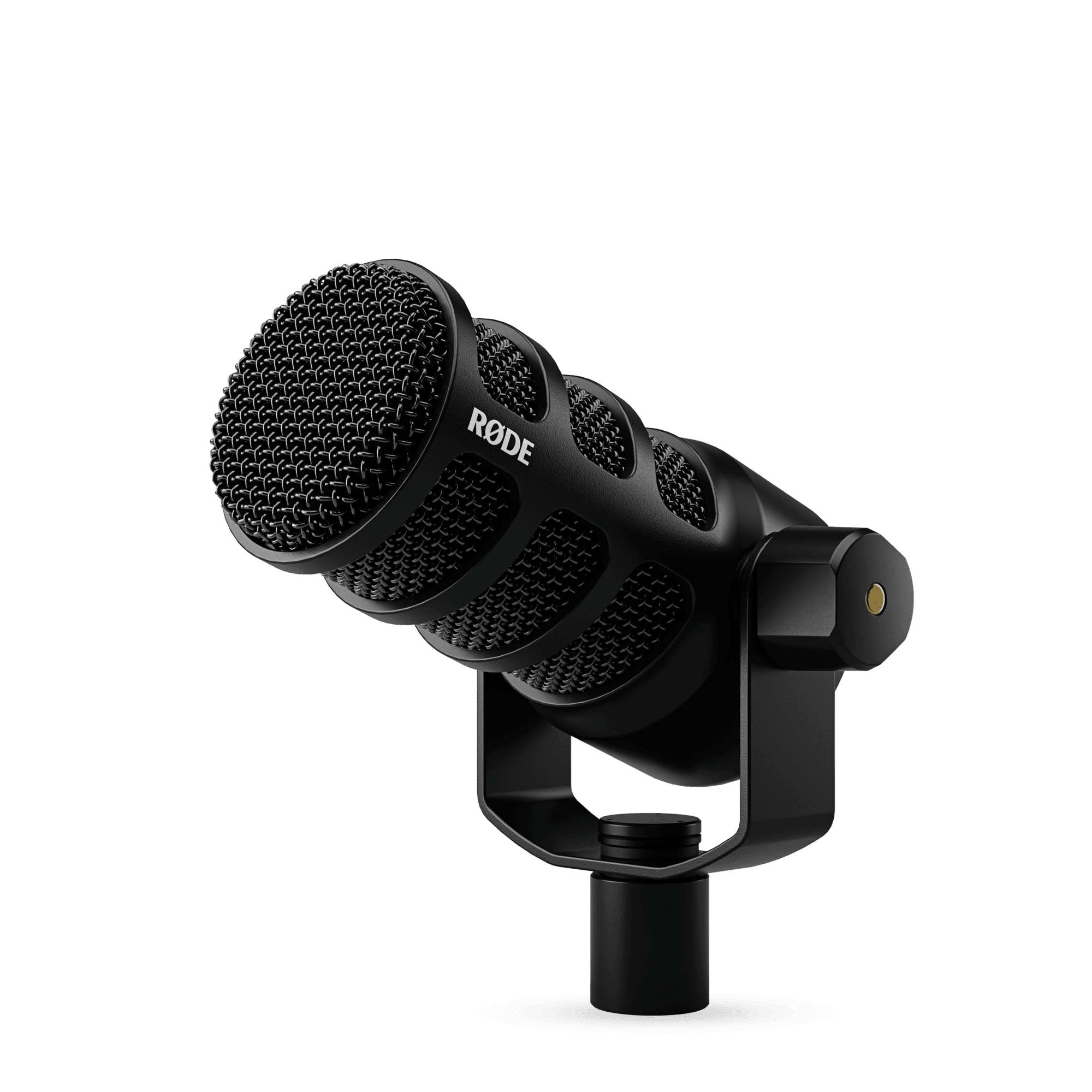
Another option is the RØDE PodMic USB, which combines USB and XLR connectivity and is designed specifically around spoken-word recording. It can make sense for podcasters and streamers who want a broadcast-style microphone without immediately committing to a full XLR setup.
If you already own an audio interface, an XLR microphone can give you more flexibility. The Shure MV7X, for example, is an XLR-only dynamic microphone designed for spoken-word applications. Condenser microphones can capture a lot of detail, but that also means they can pick up more room reflections, fans, keyboards, and other environmental sounds. If your recording space is untreated, a dynamic microphone is often easier to work with. Microphone placement matters almost as much as the microphone itself. Keep the microphone reasonably close to your mouth, speak toward the correct side of the microphone, and experiment with positioning before assuming you need a more expensive model. Don't buy a microphone simply because a popular creator uses it. Choose based on your room, connection type, recording style, and how much control you want over your setup.